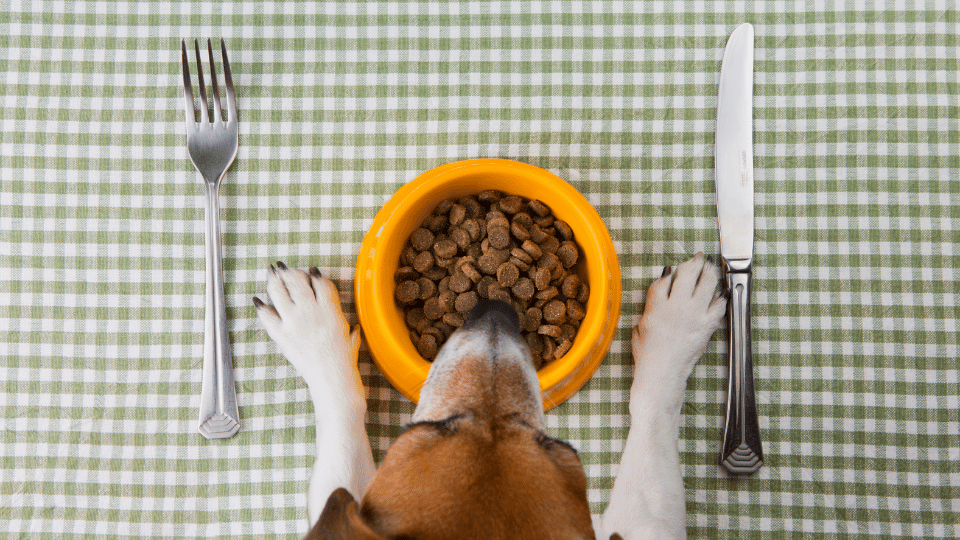

"Food allergies can cause discomfort and health issues for your dog. Learn how hypoallergenic dog food can provide relief and improve your pet's quality of life."
What Is Hypoallergenic Dog Food?
Hypoallergenic dog food is specifically formulated to minimize the risk of allergic reactions by eliminating common triggers. These diets typically feature:
- Limited Ingredients: Fewer total ingredients reduce the statistical probability of including an allergen.
- Novel Proteins: Ingredients like duck, venison, or kangaroo that your dog likely hasn't been exposed to before.
- Hydrolyzed Proteins: Proteins that are chemically "pre-digested" into tiny molecules so the immune system doesn't recognize them as a threat.
Signs Your Dog May Need Hypoallergenic Food
Food sensitivities can manifest in several uncomfortable ways:
- Itchy Skin: Chronic scratching, especially around the paws, face, and ears.
- Digestive Issues: Frequent vomiting, loose stools, or persistent gas.
- Recurrent Ear Infections: If your dog’s ear issues clear up only to return shortly after treatment, food may be the culprit.
- Skin Rashes: Red, inflamed patches or recurring bacterial skin infections.
Benefits of Hypoallergenic Dog Food
Switching to the right diet can lead to a dramatic improvement in your pet's quality of life:
- Reduced Inflammation: Less "internal stress" leads to calmer skin and a happier digestive tract.
- Improved Coat Health: When the body isn't fighting an allergen, it can focus resources on maintaining a shiny, healthy coat.
- Stable Digestion: Predictable stools and less abdominal discomfort.
- Increased Vitality: Dogs that aren't constantly itchy or nauseous have much more energy for play.
Choosing the Right Hypoallergenic Food
Finding the perfect fit requires a systematic approach:
- Consult Your Vet: We can help determine if the issue is truly food-related or environmental.
- Strict Elimination Trial: During the trial, your dog must eat ONLY the hypoallergenic food—no treats, table scraps, or flavored medications.
- Read Labels Carefully: Ensure there are no hidden derivatives of common allergens like beef, chicken, dairy, or wheat.
Conclusion
Hypoallergenic dog food is a powerful tool for managing chronic health issues and ensuring your dog feels their best. By identifying and removing triggers, you can stop the cycle of discomfort. If you suspect your dog has food allergies, contact Central Valley Veterinary Hospital at (209) 239-2547 to start a tailored nutrition plan.